 Ultimate guide
Is Soft Washing Safe for Historic Buildings? 2026 Guide
Table of Contents
- What Soft Washing Is and Why Historic Buildings Need It
- Soft Washing vs. Pressure Washing: What the Comparison Table Shows
- Soft Washing Chemicals for Historic Masonry: What Is Safe
- Heritage Building Exterior Cleaning Standards and Permits
- Low-Pressure Cleaning Techniques for Heritage Homes
- Long-Term Maintenance Schedules and Environmental Considerations
- Frequently Asked Questions
Last Updated: September 14, 2026
What Soft Washing Is and Why Historic Buildings Need It
Soft washing is a low-pressure exterior cleaning method that relies on specialized cleaning solutions rather than force to remove algae, lichen, mould, and mildew, and whether is soft washing safe for historic buildings depends on the substrate. For historic buildings, the question of is soft washing safe for historic buildings comes down to whether the method respects the substrate while still delivering real cleaning efficacy.
Traditional high-pressure washing can strip away the very things that make old buildings valuable. The low-pressure approach, typically under 500 psi, lets cleaning solution do the work while water rinses residue gently (Guidelines for Canadian Drinking Water Quality: Operational Parameters).
How Low-Pressure Cleaning Works on Delicate Substrates
Low-pressure cleaning applies a diluted solution, lets it dwell for several minutes, then rinses with a gentle spray. Dwell time breaks down organic growth and dirt; pressure is secondary.
Heritage substrates such as brickwork, stone veneer, stucco, and architectural details were often lime-mortared and hand-finished, absorbing and releasing moisture slowly. Aggressive force disrupts that balance. A common mistake is assuming faster cleaning equals better cleaning; on old masonry, patience protects the substrate.
Soft Washing vs. Pressure Washing: What the Comparison Table Shows
The core difference is how each removes contaminants: pressure washing uses kinetic force, soft washing uses chemistry plus time. That distinction drives every downstream consequence for historic surfaces.
Factor | Soft Washing | Pressure Washing |
|---|---|---|
Pressure level | Under 500 psi | 1,500-4,000 psi |
Primary action | Cleaning solution | Mechanical force |
Best for | Heritage masonry, stucco, painted trim | Concrete, driveways, modern siding |
Risk to mortar joints | Low | High |
Risk of water intrusion | Low | High |
Typical dwell time | 5-15 minutes | None |
For listed and heritage buildings, the table points one way: pressure washing is the wrong tool, full stop.
Why High Pressure Causes Spalling, Efflorescence, and Mortar Damage
High pressure drives water into porous masonry, and that water must escape somewhere. As it migrates through the wall it dissolves soluble salts and carries them to the surface, where they crystallize as efflorescence, a chalky white bloom that keeps returning until the moisture source is addressed.
Worse, when trapped water freezes it expands and pushes the surface outward, spalling, which can shear off the face of a brick or stone entirely. Mortar joints, softer than the units they bind, erode quickly under a pressure wand; once joints recede, water finds an easier path in and the cycle accelerates.
Soft Washing Chemicals for Historic Masonry: What Is Safe
The safest soft washing chemicals for historic masonry are biodegradable solutions with a neutral to mildly alkaline pH, typically 7 to 10, paired with surfactants that lift organic growth without attacking the stone. Match biocides to what is growing: algae, lichen, mould, and mildew respond differently, and lichen often needs a longer dwell rather than a stronger mix.
What actually matters is how a cleaner interacts with the specific mineral composition of the stone, which varies more than generic advice suggests.
pH by Stone Type: Limestone, Sandstone, Granite, and Marble
Stone falls into two broad camps based on what it is made of, and that determines which cleaners are safe.
Calcium-based stone (limestone, marble, travertine, and most dolomitic stone) is alkaline and reacts with acid. Any cleaner below roughly pH 7 will etch the surface, dulling polish and opening the pore structure. Stay at pH 8-10, use a surfactant-heavy mix, and never reach for a descaler or 'brightener'. Even weak organic acids in some biodegradable blends cause slow, cumulative dulling that is not obvious until several cleanings have passed.
Silica-based stone (sandstone, granite, slate, and most fieldstone) is acid-tolerant and handles a wider pH range without dissolving. The risk is staining, not etching: iron-bearing sandstone can flash rust with certain chelated cleaners, and some granite inclusions discolor under strong alkalinity. A pH 7-9 neutral-to-mildly-alkaline mix is the safe default.
Lime mortar and lime render are calcium-based, so acid is out, but they are softer and more porous than the units they bind. Treat them as the weakest material on the wall and mix for them, not for the brick or stone.
Substrate | Safe pH range | Avoid |
|---|---|---|
Limestone, marble, travertine | 8-10 | Anything below pH 7; acids, descalers |
Sandstone, granite, slate | 7-9 | Strong alkalinity on iron-bearing stone |
Lime mortar and render | 8-10 | Acids; high-surfactant mixes that soak deep |
Glazed brick and terracotta | 7-9 | Abrasives; thermal shock from hot water |
Biodegradable Chemicals, Surfactants, and Biocides for Algae, Lichen, and Mould
Surfactants reduce surface tension so the solution spreads evenly and penetrates organic growth; biocides then kill the organism at the root, which is why soft-washed surfaces stay clean longer. A pressure wand removes visible growth but leaves the root structure intact, and it returns within a season.
Match the biocide to the organism rather than reaching for the strongest bottle on the shelf:
- Algae and mould respond to a standard alkaline surfactant mix with a short dwell of 5-10 minutes.
- Lichen anchors into the pore structure with root-like holdfasts and needs a longer dwell, often 15-30 minutes, plus a second application rather than a stronger concentration. Killing it is half the job; the dead thallus must be rinsed or gently brushed away, and holdfasts may leave a pale scar that fades over a season or two.
- Mildew on painted trim is best treated with a mild mix and a soft brush, because the paint film is usually the most fragile surface on the building.
Before any heritage job, test the solution on a small, inconspicuous area for 24 hours to confirm no discoloration or etching. On calcium-based stone in cool weather, extend the test to a full week, slow reactions are the ones that surprise people.
Heritage Building Exterior Cleaning Standards and Permits
Heritage building exterior cleaning standards in many jurisdictions require approval before work begins on designated or listed properties. The practical rule: check with the local heritage planner before scheduling, because the permit question is decided municipally and depends on how the property is designated.
Contact us at info@sparkleandrestore.ca or (905) 681-7688 →
Lead Paint, Runoff, and Other Compliance Landmines
Lead paint is the other regulatory landmine. Buildings constructed before the 1970s may have lead-based paint on trim, windows, and doors; disturbing it through abrasive cleaning releases lead dust, a health hazard and compliance issue (Lead-based paint). Wet methods and containment are standard, and the waste stream must be handled as contaminated material rather than rinsed to the ground.
Runoff is the third piece. Many municipalities restrict what can enter storm drains, and cleaning solution mixed with dissolved contaminants counts. Capturing and disposing of runoff is part of the job, not an add-on, and on a heritage site it often intersects with permit conditions, so plan the two together.
Documenting the Work for Future Review
Heritage files outlive the people who create them. A short documentation package, before-and-after photographs, products used with safety data sheets, pressure range, date, and crew, protects owner and contractor if a later question arises about whether the work was appropriate. Some planners require it as a condition of approval; even when they do not, it is cheap insurance and eases the next permit application.
Low-Pressure Cleaning Techniques for Heritage Homes
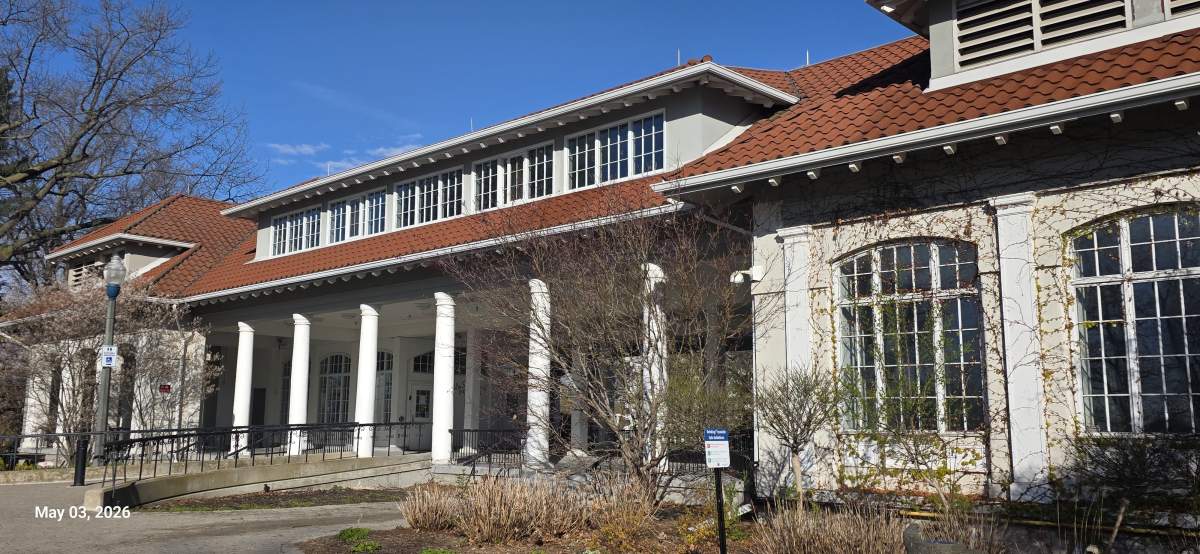
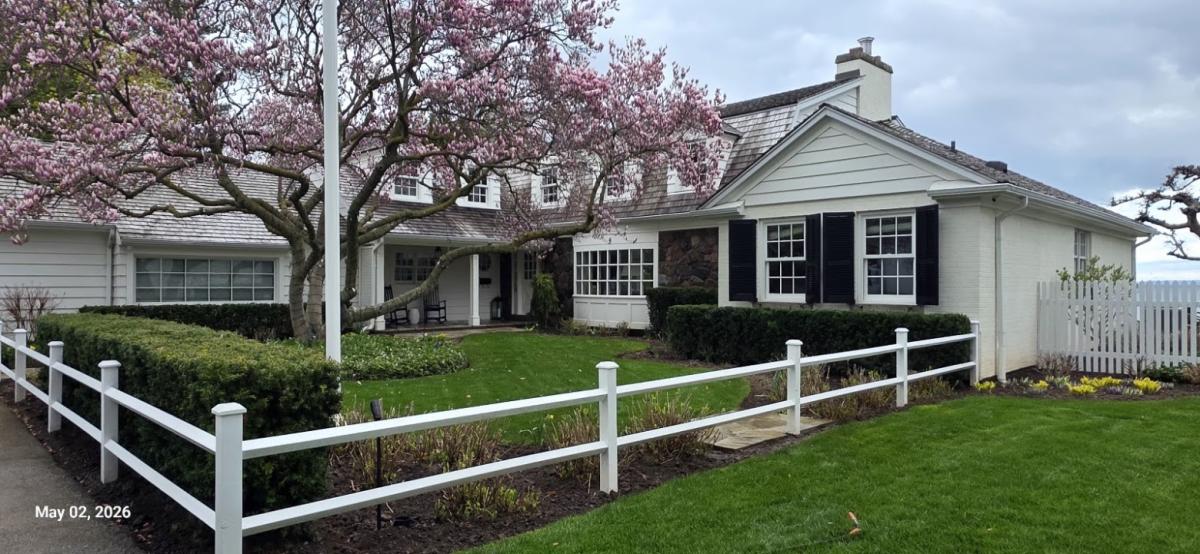
Effective low-pressure cleaning for heritage homes follows a fixed sequence: pre-treat, dwell, agitate gently where needed, rinse, and inspect. Each step is deliberately slow. Rushing any of them is where damage happens.
20260609 093109 (1)
Start from the bottom of the wall and work upward. This prevents dirty runoff from streaking across already-cleaned surfaces. Keep the wand moving, and never hold it in one spot.
Protecting Brickwork, Stone Veneer, Stucco, and Architectural Details
Each material needs its own approach. Brickwork with soft mortar needs the gentlest rinse. Stone veneer can lift if water gets behind it, so angle the spray downward. Stucco is porous and repairs poorly, so lower pressure further and increase dwell time. Architectural details such as cornices, lintels, and trim trap water and dirt, and often carry the thinnest remaining finish.
Long-Term Maintenance Schedules and Environmental Considerations
A realistic maintenance schedule for heritage buildings is annual, not reactive. One full soft wash per year, timed for late spring after pollen season, keeps organic growth from establishing. High-traffic or shaded north-facing walls may need a mid-season touch-up.
Environmental considerations shape the schedule too. Biodegradable chemicals reduce impact, but runoff capture is still required in many areas. Cleaning before growth becomes heavy means less chemical is needed, cheaper and gentler on the building.
Frequency | Task | Purpose |
|---|---|---|
Annually | Full soft wash | Remove algae, lichen, mould |
Every 6 months | Inspect mortar joints | Catch erosion early |
After storms | Check for spalling | Address water damage fast |
Every 2-3 years | Re-point as needed | Restore joint integrity |
Sparkle & Restore provides mobile soft washing for commercial properties, with drone-assisted exterior cleaning for hard-to-reach elevations. For property managers juggling multiple sites, our consolidated services remove the guesswork from scheduling and runoff handling.
Historic buildings do not forgive aggressive cleaning, and the damage is usually permanent. The safe path is low pressure, correct chemistry, and a maintenance rhythm that prevents heavy growth from taking hold. Sparkle & Restore brings advanced soft washing technology, drone-assisted exterior cleaning, and mobile service directly to your property, so your property gets the care it needs without disrupting your tenants or your schedule. Contact Sparkle & Restore at info@sparkleandrestore.ca or (905) 681-7688 to book an assessment.
Frequently Asked Questions
Is soft washing safe for historic buildings?
Soft washing is generally safe for historic buildings when done correctly. It uses low pressure under 500 PSI combined with biodegradable cleaning solutions to remove algae, lichen, mould, and mildew without damaging mortar joints, brickwork, or stone veneer. The key is adjusting pressure and chemicals to each substrate, since historic masonry is softer and more porous than modern materials. A professional assessment before cleaning protects surface integrity and architectural details.
What chemicals are safe for heritage building restoration?
The safest options for historic masonry are biodegradable chemicals with pH levels matched to the stone type. Alkaline solutions suit acidic soiling on limestone and sandstone, while mild surfactants lift organic growth without attacking the substrate. Always test a small area first and follow heritage building exterior cleaning standards for listed properties.
Can soft washing damage original mortar or masonry?
Soft washing will not damage original mortar or masonry when pressure stays low and chemicals are appropriate. Damage typically comes from high-pressure washing, which forces water into mortar joints and causes spalling, efflorescence, and long-term structural weakening. Historic lime mortar is especially vulnerable. Using low-pressure cleaning techniques for heritage homes, with correct dwell times and rinsing, preserves the patina and historic finishes that give older buildings their character.
Do I need professional certification to clean heritage properties?
Certification is not always legally required, but many heritage building exterior cleaning standards and municipal permits expect trained operators. Professionals understand how to protect lead paint and how to meet environmental regulations for runoff. For listed properties or designated heritage buildings, check local bylaws before work begins. Hiring an experienced contractor reduces the risk of costly damage and compliance issues.