 Comparison
Mobile Wash Alternatives: A Comparison Guide
Table of Contents
- Mobile Wash Alternatives: What Fleet Managers Need to Know
- How to Minimize Fleet Vehicle Downtime With On-Site Cleaning
- Mobile Truck Wash Environmental Compliance and Water Reclamation
- Cost of Mobile Fleet Washing: What to Budget
- Consolidated Services: Beyond Pressure Washing
- Soft Washing Technology vs. High-Pressure Cleaning
- Selecting the Right Mobile Wash Alternative for Your Business
- Frequently Asked Questions
Last Updated: September 19, 2026
Mobile Wash Alternatives: What Fleet Managers Need to Know
Fleet managers face constant tension: keep vehicles clean and compliant without halting operations. Mobile wash alternatives reduce downtime, simplify compliance, and handle work that traditional wash bays cannot.
Stationary wash facilities create friction: vehicles sit idle waiting for slots, drivers make extra trips, and scheduling conflicts multiply. Mobile wash alternatives eliminate this by bringing service to you on your timeline.
Mobile wash alternatives vary by need: some require pressure washing only, others need consolidated services including glass repair, graffiti removal, and facade restoration. Your pain point determines the right fit.
This guide covers the main mobile wash alternatives available to fleet managers and property operators, what each one solves, and how to pick the right fit for your operation.
How to Minimize Fleet Vehicle Downtime With On-Site Cleaning
The largest hidden cost in fleet maintenance is downtime. A 45-minute wash facility visit across a 40-truck fleet represents significant productivity loss.
On-site mobile wash services eliminate downtime entirely. Technicians arrive during off-peak hours; trucks are cleaned while parked with no driver disruption or dispatch conflicts.
On-site cleaning reduces vehicle wear, eliminates unnecessary trips, and creates consistent maintenance schedules that improve asset longevity and resale value.
For property managers, on-site cleaning of facades, loading docks, and parking areas happens outside business hours without tenant disruption, avoiding the fragmented responsibility of multiple vendors.
Mobile Truck Wash Environmental Compliance and Water Reclamation
Environmental regulations around wastewater discharge have tightened significantly. On-site washing without proper containment triggers violations as runoff containing oils, detergents, and heavy metals flows into storm drains.
Mobile wash alternatives with water reclamation systems capture, filter, and recycle wastewater. Biodegradable detergents reduce environmental impact, ensuring zero discharge and full compliance with provincial standards.
For industrial sites and manufacturing facilities, professional mobile wash services with reclamation systems handle contaminated runoff from heavy equipment degreasing that DIY pressure washing cannot manage.
Property managers in multi-unit buildings face similar pressures. Mobile wash alternatives with proper containment and reclamation eliminate liability and regulatory risk from facade and parking area cleaning.
Demonstrating water reclamation and biodegradable cleaning practices signals operational maturity and environmental responsibility to tenants, customers, and employees.
Cost of Mobile Fleet Washing: What to Budget
Fleet managers often reject mobile wash alternatives based on sticker price alone, missing the true cost of ownership and ROI.
The Hidden Cost of Stationary Wash Facilities
A typical external wash bay visit consumes 45 to 90 minutes per vehicle. For a 40-truck fleet on five-day cycles, that's 200 to 400 hours annually of downtime, costing significant productivity loss, before fuel costs.
Operational friction, scheduling conflicts, unavailable vehicles during peak windows, and cascading route delays, adds 15 to 25 percent above direct wage costs.
A single wastewater discharge incident triggers fines; repeat violations escalate quickly.
Mobile Service Pricing Structure
Pricing for services depends on factors such as fleet size, frequency, and specific service requirements. Contact us for a detailed quote.
Total Cost of Ownership Calculation
For a 40-truck fleet with weekly cleaning needs, the total cost of ownership calculation demonstrates that while mobile services may have a higher per-unit cost, they offer significant savings through reduced downtime, avoided compliance risks, and consolidated services, ultimately guaranteeing fleet schedule reliability and preventing cascading delays and customer service failures during peak seasons.
When Mobile Alternatives Deliver Clear ROI
Mobile wash alternatives become financially obvious in three scenarios:
High-value fleets: Vehicles generating significant daily revenue experience substantial losses from downtime. Mobile services eliminate this. Multi-service consolidation: Consolidating pressure washing, glass repair, and graffiti removal into one provider reduces coordination overhead and often exceeds per-unit premiums. Compliance exposure: In regions with strict wastewater regulations, mobile services with reclamation systems offset costs through avoided fines.
Contact us at (905) 681-7688 →
Negotiating Mobile Wash Contracts
Request quotes based on fleet size and frequency. Ask about service guarantees (response times, quality standards, re-service at no charge). Confirm what's included: water, detergent, disposal, surcharges for heavily soiled vehicles, and whether glass repairs and graffiti removal are bundled.
Consolidated Services: Beyond Pressure Washing
The most significant shift in mobile wash alternatives is consolidation: one provider handles pressure washing, auto glass repair, graffiti removal, and facade restoration. This means one scheduling system, one contact, one invoice, and consistent quality standards.
On-Site Auto Glass Repair and ADAS Recalibration
Auto glass damage creates downtime: drivers visit external shops for repair and ADAS recalibration. On-site glass repair eliminates the trip and ensures proper ADAS calibration, maintaining safety compliance.
Graffiti Removal and Exterior Restoration
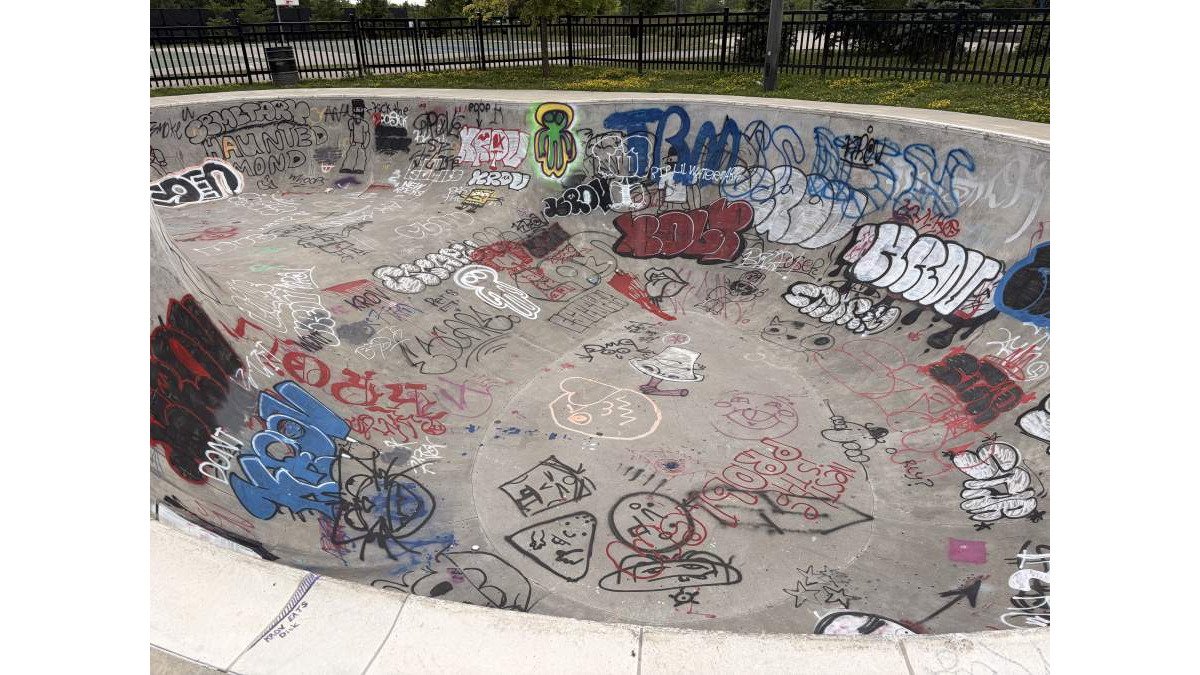
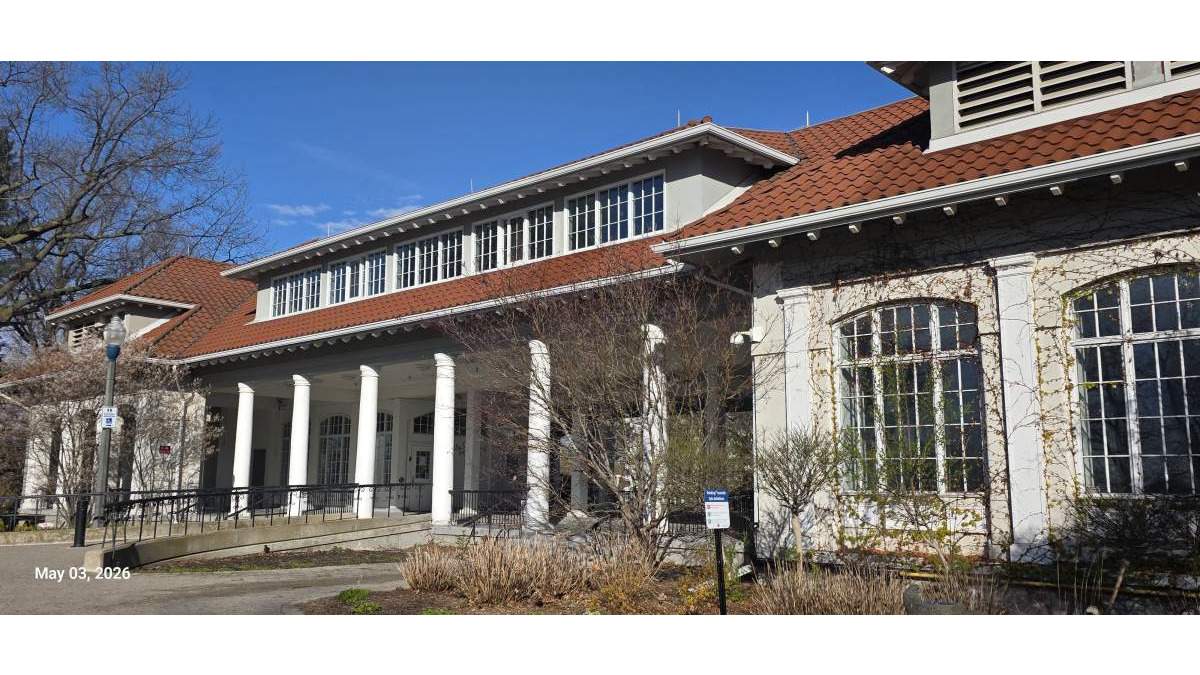
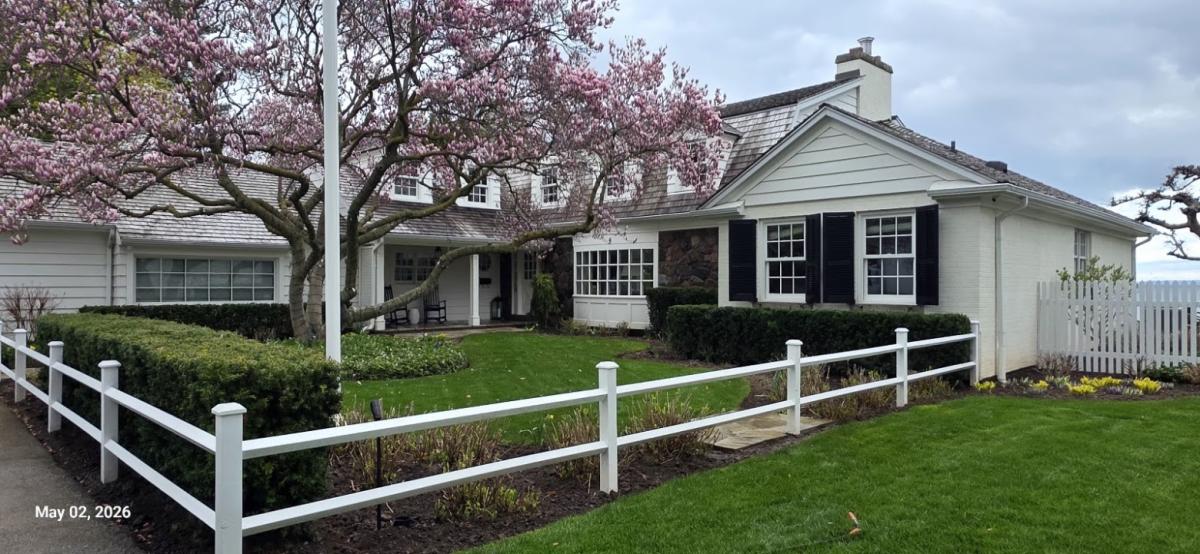
Graffiti signals neglect and reduces property value and tenant satisfaction. Professional removal requires surface-specific treatment and chemical solutions, not pressure washing alone. Facade restoration similarly requires soft washing technology to preserve building materials while removing grime and mold.
Soft Washing Technology vs. High-Pressure Cleaning
Choosing between soft washing and high-pressure cleaning directly affects asset preservation, environmental compliance, and maintenance costs. Over-aggressive pressure damages assets; under-powered cleaning fails to remove contaminants.
How High-Pressure Cleaning Works
High-pressure systems use force to dislodge contaminants.
High pressure can damage vehicle paint, vinyl siding, roofing, wood, and sealed surfaces.
How Soft Washing Works
Soft washing uses low pressure with biodegradable solutions. The chemical cleans; pressure delivers it. Dwell time allows solutions to break down contaminants.
Pressure Specifications by Surface Type
Understanding safe pressure ranges prevents costly damage:
| Surface | Safe Pressure Range | Risk Above Range |
|---|---|---|
| Vehicle paint/clear coat | 500-1,000 PSI | Paint stripping, micro-scratches, clear coat failure |
| Vinyl siding | 500-1,200 PSI | Water intrusion, rot, mold behind panels |
| Brick and stone | 1,000-1,500 PSI | Mortar erosion, spalling, structural compromise |
| Asphalt shingles | 500-1,000 PSI | Shingle displacement, granule loss, leaks |
| Concrete (unsealed) | 3,000-4,000 PSI | Safe; designed for high pressure |
| Concrete (sealed) | 1,500-2,000 PSI | Seal breakdown, requiring costly re-application |
| Metal equipment | 2,500-4,000 PSI | Safe; designed for industrial cleaning |
The Hidden Cost of Pressure Damage
High-pressure damage can trigger expensive repairs. Reputable providers carry general liability insurance covering surface damage.
Environmental Impact: Runoff and Water Usage
High-pressure cleaning generates significantly more runoff because it relies on force rather than chemistry. A typical high-pressure wash uses more water per minute, generating more wastewater per vehicle. Soft washing uses less water per minute, generating less wastewater per vehicle.
Choosing the Right Method for Your Operation
The best mobile wash providers use both technologies strategically, not exclusively:
Use high-pressure cleaning for:
- Concrete surfaces that are sealed or designed for industrial use
- Heavy equipment with baked-on grease or industrial contamination
- Parking lots and loading docks (if the surface is sealed or concrete)
Use soft washing for:
- All vehicle exteriors, regardless of soil level
- Building facades and exterior walls
- Roofing and delicate surfaces
- Any surface where you want to preserve finish or prevent water intrusion
When evaluating a mobile wash provider, ask specifically:
- "What pressure do you use on vehicle paint?"
- "Do you soft wash building facades?"
- "What's your liability coverage for surface damage?"
- "Can you provide before-and-after examples of facade work?"
Selecting the Right Mobile Wash Alternative for Your Business
Choosing among mobile wash alternatives requires clarity on three questions: What are you actually cleaning? How often? And what additional services matter?
Frequently Asked Questions
What should I look for when hiring a mobile wash alternative?
Evaluate whether the service offers on-site capability so your fleet doesn't leave your property. Check if they handle multiple services, pressure washing, auto glass repair, and graffiti removal, which reduces the number of vendors you manage. Confirm they use soft washing technology to protect siding and surfaces, ask about environmental compliance certifications, and verify they can service all your properties consistently. Request references from other fleet operators or property managers in your area.
How does mobile fleet washing reduce vehicle downtime?
Mobile fleet washing eliminates travel time to off-site wash bays. Your vehicles stay on-site or at your facility while technicians arrive and complete the work, keeping your fleet available for dispatch. On-site auto glass repair means vehicles don't need to visit separate glass shops. When multiple services are consolidated, washing, glass repair, and detailing, you reduce the number of separate trips and appointments, getting your fleet back into service faster and improving operational efficiency.
Are there environmental regulations for mobile truck washing?
Yes. Mobile truck washing must comply with provincial and municipal wastewater regulations. Services must manage runoff properly, often using water reclamation systems or biodegradable detergents to meet environmental standards. Many municipalities require permits for on-site washing. A professional mobile wash service handles these compliance requirements, ensuring your property meets local regulations and avoiding fines. Ask your service provider about their water management practices and certifications.
What is the difference between standard pressure washing and soft washing?
Standard high-pressure washing uses intense water force, which works on concrete and metal but can damage vinyl siding, wood, and painted surfaces. Soft washing uses lower pressure combined with specialized biodegradable cleaning agents to remove grime safely from delicate surfaces. For fleet vehicles and building facades, soft washing prevents damage while delivering superior cleaning results. Professional services use both methods depending on the surface, protecting your assets while maintaining appearance.
Can mobile wash services handle ADAS recalibration after windshield replacement?
Advanced Driver Assistance Systems recalibration is a specialized service that not all mobile glass providers offer. When replacing a windshield on newer vehicles with ADAS sensors, recalibration is often required for safety and legal compliance. Before choosing a mobile wash alternative, confirm they have certified technicians and the equipment to perform ADAS recalibration. This capability significantly reduces downtime and out-of-pocket costs since you won't need a separate dealer visit.