 Comparison
Pressure Washing vs Soft Washing for Condo Exteriors
Last Updated: November 15, 2026
Quick Summary
Choosing between pressure washing vs soft washing for condo exteriors comes down to how much force the surface can survive. Pressure washing uses high-pressure water for concrete, brick, and durable hardscapes, while soft washing uses low-pressure water with a cleaning solution for siding, stucco, roofing, and painted surfaces. Match the method to each material rather than picking one for the whole property.
- Pressure washing runs roughly 1,500-3,000 PSI, while soft washing uses low pressure similar to a garden hose.
- Soft washing is the safe choice for vinyl, wood, fiber cement, stucco, and painted aluminum siding.
- If a surface is above the first floor and attached to the building, soft washing is the safer bet.
- A test patch on each distinct surface confirms safety and results before a full condo project.
- Protect landscaping with tarps and shield storm drains so wash water does not enter untreated.
Table of Contents
- Pressure Washing vs Soft Washing: Key Differences at a Glance
- Soft Washing Condo Siding: Which Materials Are Safe?
- Pressure Washing Apartment Buildings: When High Pressure Works
- Pressure Washing Concrete Walkways and Durable Surfaces
- Soft Wash for Mold and Algae on Shaded Exteriors
- Cost Factors for Condo Exterior Cleaning Projects
- Runoff, Landscaping, and Chemical Stewardship
- Inspection, Test Patches, and Documentation for Property Managers
- Choosing the Right Method for Your Condo Exteriors
- Frequently Asked Questions
Pressure Washing vs Soft Washing: Key Differences at a Glance
Choosing between pressure washing vs soft washing for condo exteriors comes down to one question: how much force can the surface survive? Pressure washing and soft washing are two exterior cleaning methods that differ mainly in water pressure, cleaning solution, and the surfaces they suit. At Sparkle & Restore, we treat this as a materials decision first and a cleaning decision second, because the wrong method can strip paint, force water behind siding, or damage roofing granules.
Pressure washing uses high-pressure water to blast away dirt, grease, and stains. Soft washing relies on low-pressure water combined with a cleaning solution that kills organic growth and lets dwell time do the work. One method scrubs; the other dissolves.
Comparison Table: Pressure Washing vs Soft Washing
| Factor | Pressure Washing | Soft Washing |
|---|---|---|
| Water pressure | High pressure, roughly 1,500-3,000 PSI | Low pressure, similar to a garden hose |
| Cleaning agent | Water-driven, sometimes mild detergent | Cleaning solution with dwell time |
| Best surfaces | Concrete, brick, pavers, durable masonry | Siding, stucco, roofing, painted surfaces |
| Handles organic growth | Poorly, it can spread spores | Yes, chemical treatment kills algae and mold |
| Risk of surface damage | Higher on delicate materials | Low when applied correctly |
| Typical use on condos | Walkways, driveways, loading areas | Building envelope, shaded walls, balconies |
Pros and Cons of Each Method
Pressure washing pros: fast on hard surfaces and effective on embedded dirt. Cons: it can etch concrete and strip paint if misapplied.
Soft washing pros: gentler on siding and roofing surfaces. Cons: it can take longer and requires the right solution mix.
Soft Washing Condo Siding: Which Materials Are Safe?
Soft washing is the safe choice for most condo siding materials, including vinyl, wood, fiber cement, stucco, and painted aluminum. Low-pressure water plus a cleaning solution removes organic growth without the force that cracks panels or drives water behind the wall assembly.
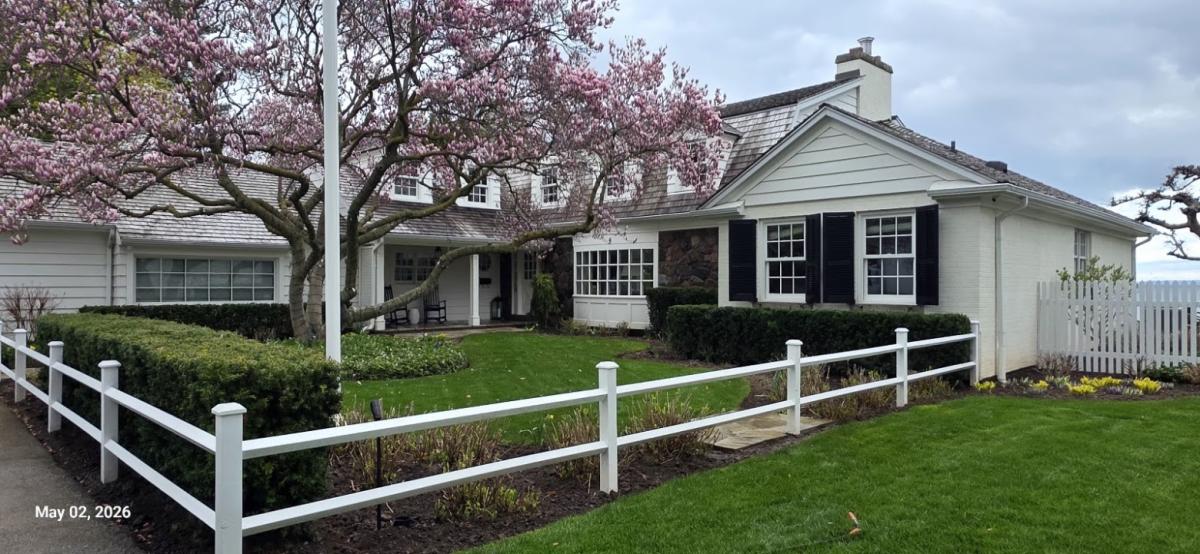
Condo buildings often mix materials in one envelope, such as vinyl panels, a brick base, and aluminum railings. Pressure and solution should be matched to each material rather than applied uniformly across the wall.
Blasting vinyl siding at close range can force water behind the panels and into the wall cavity.
Pressure Washing Apartment Buildings: When High Pressure Works
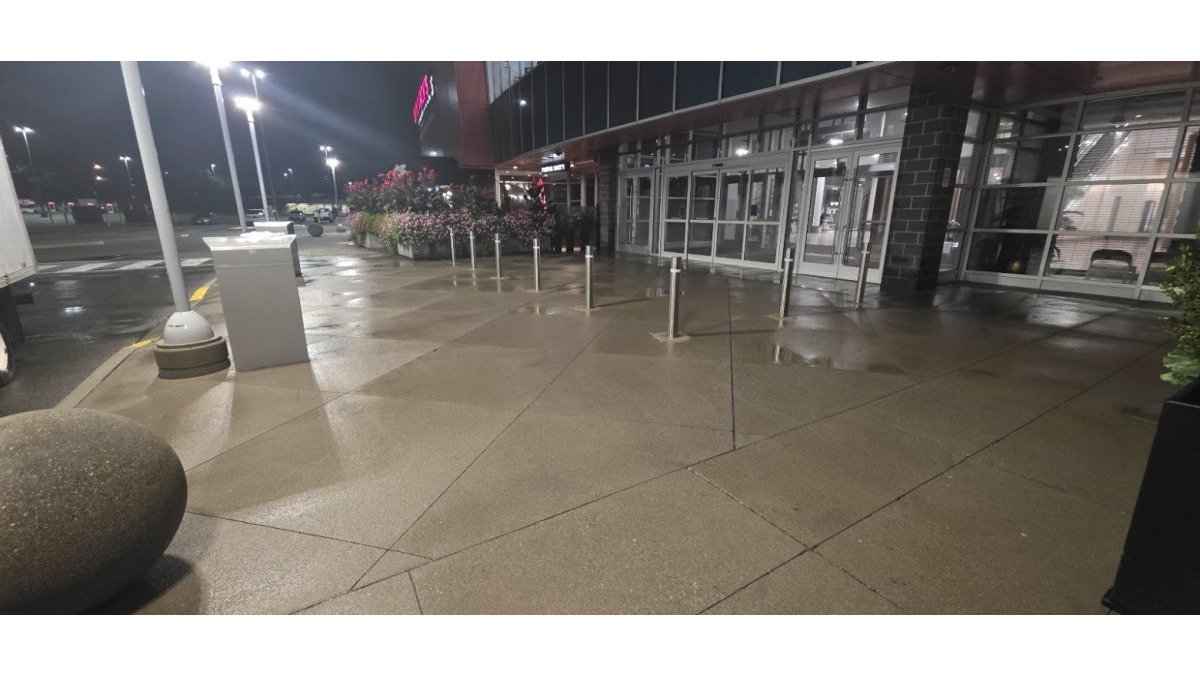
High pressure earns its place on apartment building hardscapes, not on the building envelope. Concrete walkways, driveways, parking structures, dumpster pads, and loading areas all benefit from pressure washing because the surface is dense and the grime is stubborn.
Road salt, oil drips, grease, and ground-in dirt respond to water force in a way that low pressure cannot match. For a property manager, the practical rule is simple: if the surface is concrete, brick, or stone and it is at ground level, pressure washing is usually appropriate. If it is above the first floor and attached to the building, soft washing is the safer bet.
Pressure Washing Concrete Walkways and Durable Surfaces
Concrete walkways, brick walls, and stone entries are the durable surfaces where pressure washing delivers the clearest results. These materials tolerate higher pressure and show dramatic improvement after a wash, especially where algae has darkened the surface or winter salt has left a film.
The technique matters as much as the pressure. A fan nozzle with an even spray pattern prevents streaks and etching, and a steady rinse carries loosened dirt away before it dries. Brick needs a gentler nozzle than concrete because mortar joints erode faster than the brick itself. Pre-treating oil and grease stains with a cleaning solution before washing improves the outcome and reduces the pressure needed.
Soft Wash for Mold and Algae on Shaded Exteriors
Soft washing is generally the method suited to mold, algae, mildew, moss, and lichen on shaded condo exteriors, where these organisms grow where sunlight and airflow are limited.
A soft wash applies a cleaning solution, then a low-pressure rinse carries the residue away. For readers who want more detail on handling recurring organic growth across a portfolio, our commercial cleaning tips and insights cover the wider maintenance picture.
Cost Factors for Condo Exterior Cleaning Projects
Pricing for condo exterior cleaning depends on the scope of each project. Current pricing and a quote are available from Sparkle & Restore directly on our website.
The factors that move the number most:
A common pattern is that property managers compare per-square-foot quotes from contractors who measured different things, one counting only wall elevations, another including balconies, walkways, and parking structures. The most useful comparison is a line-item scope that states exactly which surfaces are included, which access method is assumed, and how many method passes each material receives. Once you understand those cost drivers, the next step is to see the commercial service behind them and request pricing for your property.
Runoff, Landscaping, and Chemical Stewardship
Runoff control is where condo cleaning projects succeed or fail quietly. Cleaning solutions, loosened dirt, and wash water all have to go somewhere, and on a shared property that means protecting landscaping, storm drains, neighbouring units, parked vehicles, and common-area finishes, concerns a detached-house comparison never has to address.
Dilution and application. Soft-wash solutions should be mixed to the manufacturer's label rate for the specific surface and soil level, and the mix should be adjusted for material sensitivity rather than applied at one strength everywhere.
Plant and landscape protection. Before spraying, landscaping near the work area should be protected with tarps or plastic sheeting to limit overspray.
Drainage and wastewater handling. Storm drains near the work area should be protected so wash water and loosened debris do not enter the drainage system untreated. Parking structures and loading areas deserve particular attention because oil, grease, and road salt can carry into drains if water is not managed.
Overspray and shared surfaces. On a condo property, overspray can reach vehicles, windows, balcony contents, and neighbouring units in ways a single-family job never risks. Overspray can be controlled through nozzle selection, spray direction, and wind awareness, and residents may be asked to clear balconies and move vehicles in advance.
Chemical stewardship on shared property. Using the right dilution, avoiding overspray onto vehicles and windows, and rinsing surfaces properly are baseline practices, but shared properties add a coordination layer: notices to residents about balcony clearing and vehicle movement, protection of common-area plantings, and a documented record of products and mix rates used. That record supports the property manager's file and any runoff or warranty conversation that follows. When a property manager is ready to move from planning to scheduling, the simplest path is to contact the experts for a professional assessment.
Inspection, Test Patches, and Documentation for Property Managers
A test patch is the single most useful step before a full condo exterior cleaning project. It confirms how a specific material responds to a method and solution, and it gives the property manager visible proof before the crew commits to the whole building.
A walkthrough to identify materials, problem areas, and access constraints, followed by a small test patch on each distinct surface, is a sound approach before committing to a full condo exterior project.
| Step | What Happens | Why It Matters |
|---|---|---|
| Walkthrough | Identify materials and problem areas | Prevents method mismatch |
| Test patch | Trial clean on each surface type | Confirms safety and result |
| Documentation | Photos and method notes | Supports warranty and records |
| Full clean | Scheduled with resident coordination | Keeps access and safety managed |
When a property manager is ready to move from planning to scheduling, the simplest path is to contact the experts for a professional assessment.
Choosing the Right Method for Your Condo Exteriors
The safest approach is to match the method to the material, not to pick one method for the whole property. Pressure washing handles concrete, brick, and durable hardscapes; soft washing protects siding, roofing, and any surface attached to the building envelope. If you are still weighing how the two compare in practice, our about page outlines the exterior cleaning services we bring to condo properties.
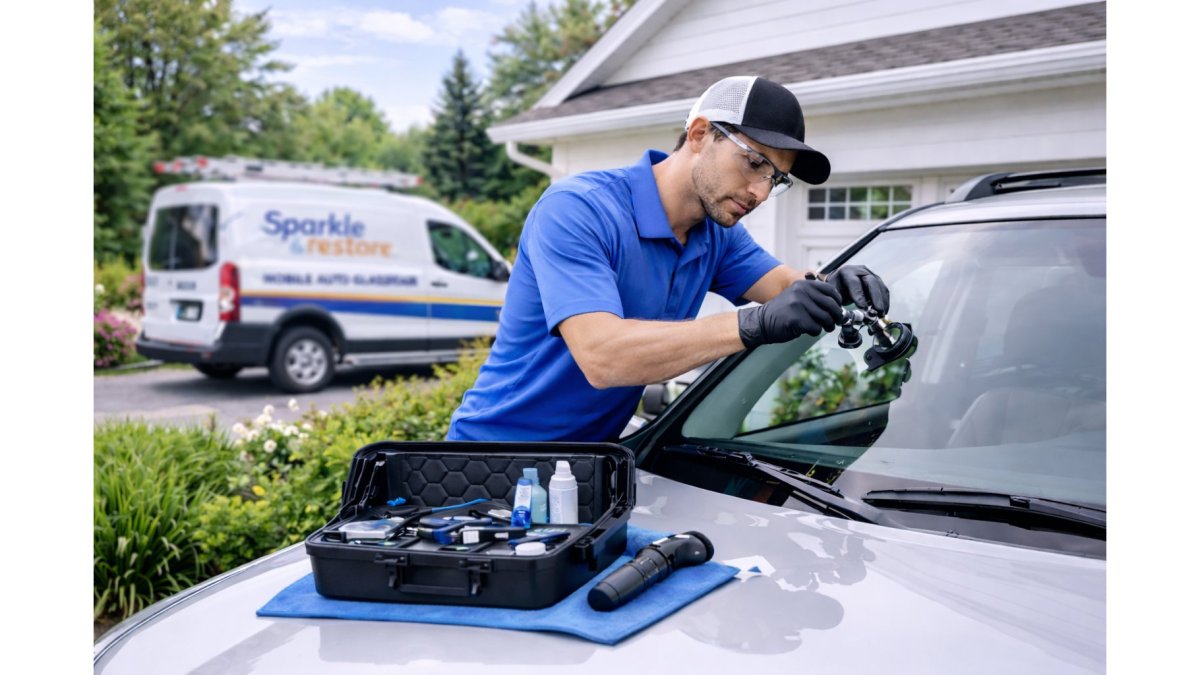
Sparkle & Restore delivers mobile wash services directly to your location, with advanced soft washing technology for delicate surfaces and drone-assisted exterior cleaning.
Get started with Sparkle & Restore and keep your condo exteriors clean, safe, and protected year-round.
Frequently Asked Questions
What is the difference between pressure washing and soft washing?
Pressure washing uses high-pressure water to blast away dirt and stains from durable surfaces like concrete and brick. Soft washing uses low-pressure water combined with specialized cleaning solutions that rely on dwell time to break down organic growth, dirt, and mildew. Soft washing is gentler on delicate materials such as siding, stucco, and roofing, while pressure washing suits hard surfaces that can withstand force.
Is soft washing safer for condo siding?
Yes, soft washing is generally safer for condo siding, especially materials like vinyl, wood, stucco, and fiber cement. The low-pressure application avoids forcing water behind siding panels or damaging caulking and seals. Cleaning solutions do the work instead of water force, reducing the risk of surface damage. For these reasons, many property managers choose soft washing condo siding as the default method for building exteriors.
Can you pressure wash a condo building?
Pressure washing can be used on certain parts of a condo building, such as concrete walkways, driveways, and brick or stone facades that are in good condition. However, it should not be used on delicate siding, windows, caulking, or roofing. A professional assessment is needed to determine which surfaces can handle high pressure and which require soft washing. Pressure washing apartment buildings safely means matching the method to the material.
Does soft washing remove mold and algae?
Soft washing is used to address mold, algae, mildew, and lichen on shaded or north-facing walls where organic growth thrives. The low-pressure rinse carries away the debris.
How often should condo exteriors be washed?
The right cleaning schedule for a condo exterior depends on local climate, tree cover, and building orientation. Shaded or damp areas may need annual soft washing to prevent mold and algae from returning. Concrete walkways and high-traffic areas may require pressure washing more frequently to remove dirt, road salt, and grease. A professional inspection can help set a realistic schedule for your property.