 listicle
Professional Pressure Washing for Commercial Plazas: A Guide
Table of Contents
- Why Professional Pressure Washing Matters for Commercial Plazas
- The Real Cost of Commercial Plaza Pressure Washing
- Soft Washing vs. Pressure Washing: Choosing the Right Method
- What a Professional Service Removes: From Gum to Graffiti
- Protecting Your Investment: Safety, Compliance, and Liability
- Building a Pressure Washing Maintenance Schedule for Businesses
- How to Choose a Commercial Pressure Washing Provider
- Conclusion
- Frequently Asked Questions
Last Updated: September 9, 2026
Why Professional Pressure Washing Matters for Commercial Plazas
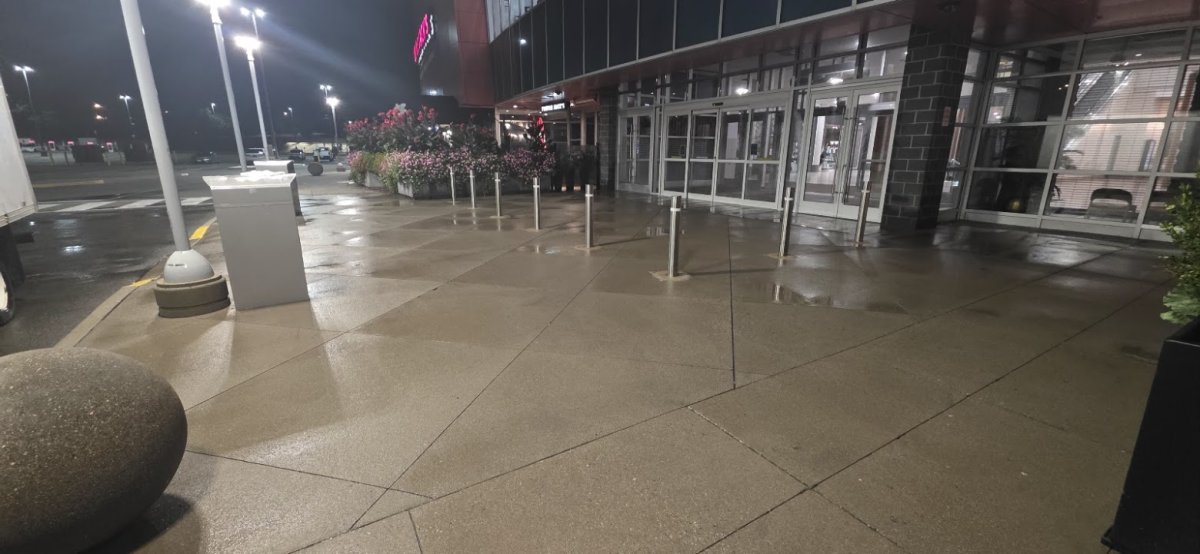
First impressions determine foot traffic. When customers approach a commercial plaza, the condition of the walkways, storefronts, and parking lot shapes their perception of every business inside. A stained entrance or a facade streaked with grime signals neglect, and that impression carries directly into the stores. Professional pressure washing for commercial plazas is not cosmetic upkeep; it is a core component of property management that protects both revenue and asset value.
The buildup of dirt, oil, and biological growth does more than look unappealing. Contaminants like salt and calcium deposits actively degrade concrete and asphalt surfaces, accelerating cracks and spalling. International Concrete Repair Institute guidance on surface deterioration notes that proactive cleaning extends the lifespan of hardscapes significantly compared to reactive maintenance.
Beyond walkways, the building facade accumulates pollutants that dull finishes and can trap moisture against exterior walls. This is where the argument for scheduled cleaning becomes financial rather than aesthetic. Preventative maintenance through professional pressure washing for commercial plazas costs a fraction of surface restoration or replacement. For property managers, the calculation is simple: protect the asset now or fund major repairs later.
The Real Cost of Commercial Plaza Pressure Washing
Pricing for commercial plaza pressure washing varies widely, and quotes that seem low often carry hidden costs. The factors that drive the price include total square footage, the type of contaminants present, accessibility of the site, and whether the job requires specialized methods like hot water extraction or soft washing for delicate cladding. A property with heavy oil staining in the parking area demands more time and stronger cleaning solutions than a routine walkway wash.
Property managers should expect a detailed breakdown rather than a flat rate. Reputable providers assess the site and itemize services. When comparing the cost of commercial plaza pressure washing, consider what the quote excludes: wastewater recovery, biodegradable detergents, and proof of WSIB compliance all add to a provider's overhead, and those costs surface somewhere.
The more useful comparison is against the price of inaction. Slip-and-fall incidents on algae-covered walkways create liability claims that dwarf any cleaning invoice. Similarly, a facade left untreated for years may require chemical restoration or repainting.
Cost Factor | Impact on Price | Notes |
|---|---|---|
Square footage | Direct driver | Larger areas need more time and equipment |
Contaminant type | High | Gum, oil, and graffiti require chemical treatment |
Surface accessibility | Moderate | Multi-level facades may need specialized access |
Compliance requirements | Moderate | Wastewater recovery adds equipment and labor |
Frequency of service | Reduces per-visit cost | Contract pricing rewards regular schedules |
Soft Washing vs. Pressure Washing: Choosing the Right Method
The distinction between soft washing and pressure washing determines whether a surface is cleaned or damaged. High-pressure cleaning is essential for dense, durable surfaces like concrete and asphalt, where it dislodges years of embedded grime. Soft washing, by contrast, uses low pressure combined with biodegradable detergents to treat surfaces that cannot withstand intense force, such as vinyl siding, stucco, and roofing materials.
Choosing the wrong method risks surface integrity. A common mistake is applying full pressure to a commercial storefront made of softer materials, which can etch the finish or force water behind cladding. The right approach depends on the substrate and the contaminant. Algae and mold treatment, for instance, often responds better to soft washing because the cleaning solution kills the growth at the root rather than merely blasting the visible surface.
Advanced soft washing technology allows crews to clean building facades and delicate signage without damage. For a commercial plaza, a professional service typically combines both methods: soft washing for the building exterior and pressure washing for the flatwork. This hybrid strategy protects the investment while delivering the deep cleaning that hard surfaces require.
What a Professional Service Removes: From Gum to Graffiti
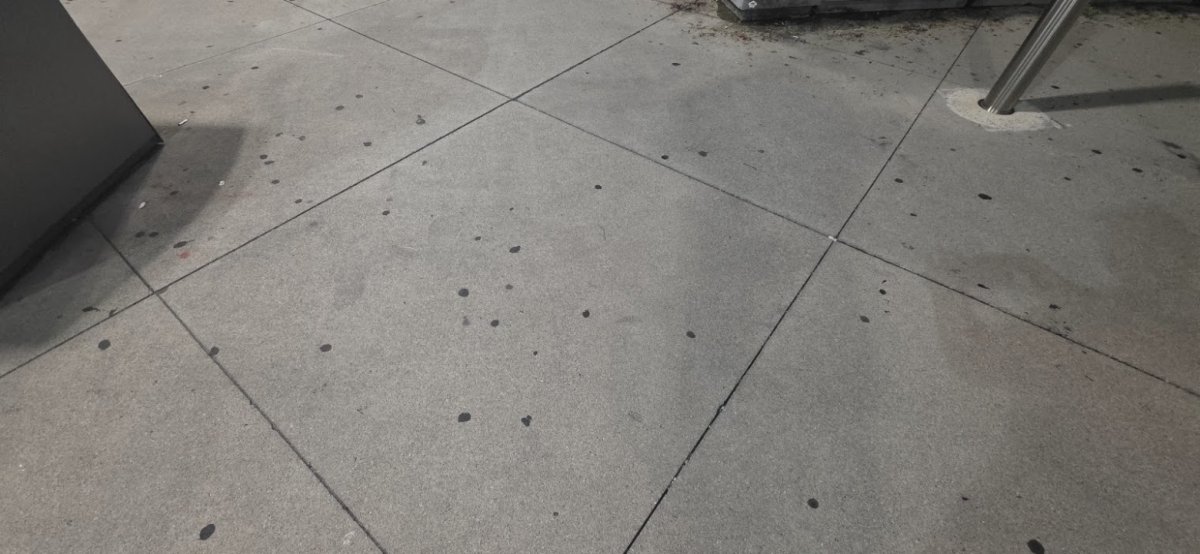
Commercial plazas accumulate a specific set of contaminants that residential cleaning rarely encounters. Chewing gum, hardened onto walkways by foot traffic, requires specialized removal techniques or chemical softeners. Graffiti abatement demands matching the right solvent to the paint type and the underlying surface, whether brick, concrete, or metal. Oil stain remediation in parking areas and loading docks often needs hot water extraction combined with industrial degreasing agents.
Biological growth presents another category of buildup. Algae and mold treatment is not just aesthetic; these organisms create slippery surfaces that pose a genuine safety hazard. Walkway cleaning schedules should account for shaded areas where moss thrives. Building facades develop similar growth, particularly on north-facing walls that stay damp.
A professional service also addresses the less visible contamination. Exhaust residue accumulates on storefronts facing busy roads, and mineral deposits from hard water leave cloudy film on glass and metal. Surface restoration brings these materials back to their original condition. The range of what a crew removes explains why professional pressure washing for commercial plazas requires training, not just equipment.
Protecting Your Investment: Safety, Compliance, and Liability
Property managers carry a responsibility that goes beyond appearances. Slippery walkways, unsecured equipment, and improperly handled wastewater all create risk. A professional pressure washing provider should demonstrate WSIB compliant operations, carry liability insurance, and follow environmental compliance standards for runoff management.
Wastewater recovery is a growing regulatory concern. Wash water that carries detergents, oil, and other contaminants cannot simply flow into storm drains. Environment Canada guidance on wastewater management outlines the obligations businesses have to prevent pollutants from entering waterways. A provider that uses containment and recovery equipment protects the property owner from fines and environmental damage.
Contact us at (905) 681-7688 →
Safety also extends to the cleaning process itself. Professional grade equipment operating at high pressure can injure bystanders or damage property if mishandled. Established crews follow safety standards that include securing the work area and protecting landscaping and storefront fixtures. When you hire a service, you are transferring this liability, but only if the provider is properly insured and trained.
Building a Pressure Washing Maintenance Schedule for Businesses
Reactive cleaning is the most expensive strategy. A pressure washing maintenance schedule for businesses protects surfaces through regular intervention, preventing the buildup that leads to staining, deterioration, and safety hazards. The ideal frequency depends on the surface type, the surrounding environment, and the level of foot traffic.
High-traffic entryways and walkways benefit from quarterly attention, especially during winter and spring when salt and sand accumulate. Parking lot maintenance typically runs on a semi-annual cycle, with extra passes for oil spot treatment. Building facades in urban settings may need annual cleaning to address pollution and biological growth.
Seasonal maintenance planning keeps the property presentable year-round. Scheduling exterior cleaning in spring removes the residue of winter de-icing chemicals. A late-summer pass addresses the algae growth that thrives in warm, damp conditions. For property managers overseeing multiple sites, a contracted schedule with a single provider simplifies coordination.
- Quarterly: Entryways, walkways, and loading docks with heavy use
- Semi-annually: Parking lots, dumpster pads, and drive-through areas
- Annually: Building facades, awnings, and rooftop equipment screens
- As needed: Graffiti removal and gum abatement between scheduled visits
How to Choose a Commercial Pressure Washing Provider
Selecting the right partner requires scrutiny beyond comparing prices. Start with verification: confirm the provider carries liability insurance and is WSIB compliant. Ask about their training procedures and whether crews understand surface-specific techniques. A provider that cannot articulate the difference between soft washing and high-pressure cleaning lacks the expertise your property requires.
Evaluate their equipment and methods. Mobile wash services that arrive with professional grade equipment and a supply of biodegradable detergents indicate a serious operation. Ask how they handle wastewater recovery and whether they use containment methods. Canadian Centre for Occupational Health and Safety resources on safe cleaning operations emphasizes that proper procedures and equipment protect both workers and the public.
Look for a provider that offers a pre-cleaning inspection. This assessment identifies vulnerable surfaces, documents existing damage, and determines the correct approach before any water flows. This diligence protects your property from damage and ensures the service addresses actual conditions rather than a generic checklist.
For property managers in the GTA, choosing a local provider with consolidated services simplifies logistics. Sparkle & Restore brings together exterior cleaning, graffiti removal, and drone-assisted exterior cleaning under one umbrella, which means fewer vendors and consistent accountability across your portfolio. The company's mobile service model delivers professional pressure washing for commercial plazas directly to your location, reducing disruption to tenants and customers. Building Owners and Managers Association resources on exterior maintenance standards reinforces that coordinated maintenance programs extend asset life and reduce long-term capital costs.
Conclusion
Commercial plaza maintenance is an ongoing responsibility, not a one-time event. The surfaces that customers touch, walk on, and see every day require a planned approach to cleaning that balances aesthetics, safety, and asset protection. Professional pressure washing for commercial plazas addresses all three, but only when performed by a provider with the right equipment, training, and compliance standards.
The challenge for property managers is finding a partner who delivers consistency across multiple sites without disrupting daily operations. Sparkle & Restore meets that need with mobile wash services, advanced soft washing technology, and drone-assisted exterior cleaning that identifies issues before they escalate. Our consolidated team handles everything from graffiti removal to routine walkway cleaning, backed by proper insurance and environmental compliance. Contact us at (905) 681-7688 to schedule an assessment and protect your property investment.
Frequently Asked Questions
How often should commercial plazas be pressure washed?
Most commercial plazas benefit from a professional pressure washing service at least twice a year, typically in the spring and fall. High-traffic areas like entrance walkways, food court exits, and loading zones may need more frequent attention, sometimes quarterly. A professional provider can assess your property and recommend a maintenance schedule based on foot traffic, surrounding vegetation, and local weather patterns. Regular cleaning prevents the buildup of grime, mold, and stains, keeping your property looking its best and protecting surfaces from premature wear.
What is the difference between soft washing and pressure washing for plazas?
Pressure washing uses high-pressure water to blast away tough contaminants like oil stains, gum, and heavy grime from durable surfaces like concrete and asphalt. Soft washing uses lower pressure combined with specialized biodegradable cleaning solutions to safely remove mold, algae, and mildew from more delicate materials. This method is ideal for building facades, awnings, and roofs where high pressure could cause damage. A professional service will often use both methods on a single property, selecting the right technique for each surface to ensure effective cleaning without compromising integrity.
Does pressure washing help with commercial property liability?
Yes, regular professional pressure washing is a key part of preventative maintenance that helps reduce liability risks. Slip-and-fall accidents are a major concern for property managers, and these are often caused by slippery surfaces. Built-up grime, oil stains, algae, and moss create hazardous walking conditions. A consistent cleaning schedule removes these dangers, helping you maintain a safer environment for customers and employees. This proactive approach can also support your defense in the event of a claim, showing that you take property safety standards seriously.
How much does commercial pressure washing cost?
The cost of commercial plaza pressure washing is not a fixed number; it varies based on several site-specific factors. Key elements include the total square footage of the areas to be cleaned, the type and level of contamination (such as oil stains or heavy mold), the surfaces involved, and the accessibility of the property. The frequency of service can also influence the rate. For an accurate estimate tailored to your property, contact Sparkle & Restore directly at (905) 681-7688 for a detailed quote.