 How-to
Mobile Truck Wash: A Step-by-Step Guide for Fleet Operators
Last Updated: November 17, 2026
Quick Summary
A mobile truck wash brings the entire washing operation to your lot, so fleet vehicles get cleaned without leaving your property. Mobile units typically arrive with their own water, power, and equipment, and the crew works through the lineup on site. This removes the deadhead trip to a wash bay queue entirely.
- The on-site process runs pre-rinse, chemical application, agitation, rinse, and detail.
- A common frequency is every two to four weeks for highway fleets and weekly for food-grade and reefer units.
- Mobile wash pricing is often structured per vehicle, per visit, or under recurring contracts.
- Photograph vehicle condition before any water flows, including existing cracks, chips, and decal edges.
- A compliant crew uses containment berms, vacuums up spent water, and disposes of it properly.
Table of Contents
- What a Mobile Truck Wash Actually Does at Your Yard
- The Step-by-Step Mobile Truck Washing Process
- Water Use, Wastewater Recovery, and Environmental Compliance
- Mobile Fleet Washing: Matching Service to Fleet Size
- Truck Wash Frequency: How Often Should Your Fleet Be Cleaned?
- Mobile Truck Wash Cost: What Drives the Price
- Building a Fleet Washing Schedule That Holds Up
- Safety and Damage Prevention During On-Site Washing
- Frequently Asked Questions
What a Mobile Truck Wash Actually Does at Your Yard
A mobile truck wash brings the entire washing operation to your lot, so your fleet vehicles get cleaned without leaving your property. A mobile truck wash service is designed for operators who can't afford to pull trucks off the road for hours at a time. Mobile units typically arrive with their own water, power, and equipment, and the crew works through the lineup on site.
That last point matters more than most operators realize. Every hour a tractor or trailer sits in a wash bay queue is an hour it isn't earning. On-site service removes the deadhead trip entirely.
Vehicle Types Served: Trucks, Trailers, Buses, and Vans
Mobile fleet washing can cover a wide range of vehicles. Common vehicle types include:
- Trucks and tractors, day cabs, sleepers, five-ton trucks
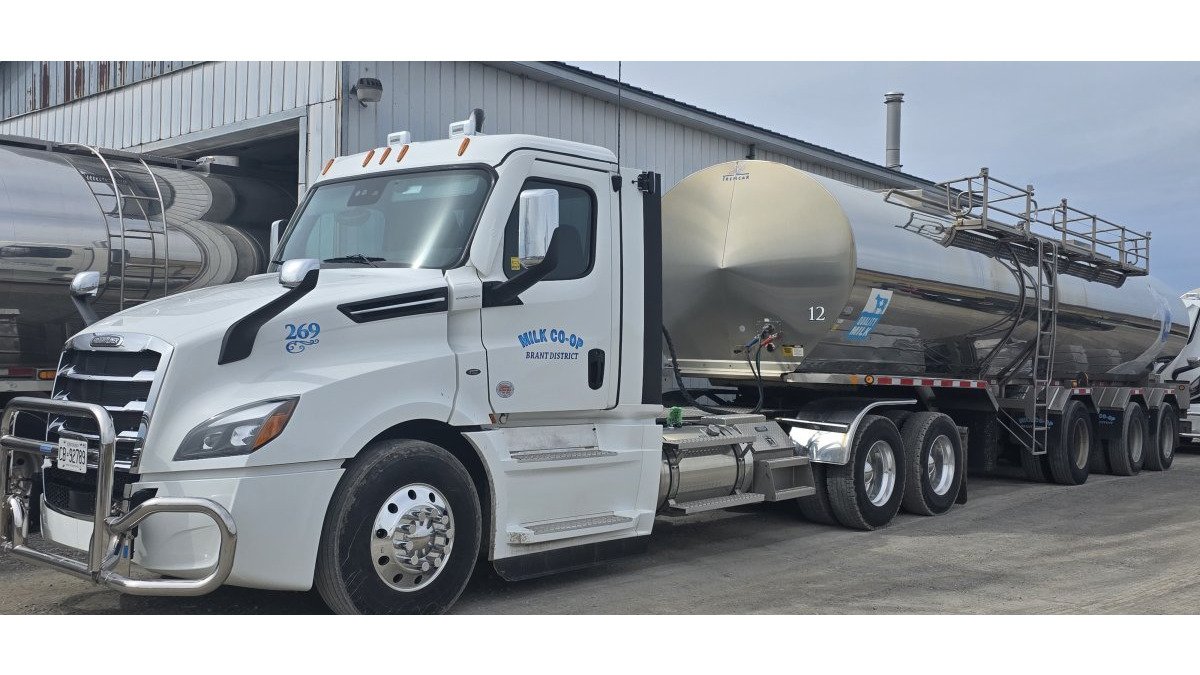
- Trailers, dry vans, flatbeds, reefers
- Buses, transit and charter coaches
- Vans, cargo vans, delivery vehicles, service vehicles
- Work trucks, utility bodies, garbage trucks, municipal units
On-Site Washing at Customer Yards and Facilities
Yard washing works around your operation, not against it. Crews clean during off-shift hours, overnight, or between dispatch waves. You can confirm the full range of services on our about page before booking. Most facilities need nothing more than a flat, drained surface and access to the vehicles.
The Step-by-Step Mobile Truck Washing Process
Mobile truck wash services generally follow a consistent sequence: pre-rinse, chemical application, agitation, rinse, and detail. Each step exists for a reason, and skipping one shows up in the finish.
Here's how a typical on-site wash runs:
- Site and vehicle assessment, the crew checks surface condition, existing damage, and drainage before any water flows.
- Pre-rinse, loose dirt and road film come off first so abrasives don't get dragged across paint.
- Chemical application, detergent matched to the soil type, applied from the bottom up.
- Agitation, brushes or mitts work the lower panels, wheels, and recesses where grime bonds.
- Final rinse, top down, so dirty water never runs over clean panels.
- Detail and inspection, glass, mirrors, lights, and a walkaround check before sign-off.
Cleaning Methods by Vehicle Material and Soil Type
Method matters as much as frequency. Different materials and soils generally call for different approaches, since cleaning chemistry and pressure must suit the surface being washed.
Water Use, Wastewater Recovery, and Environmental Compliance
Water handling is an important part of any vehicle washing operation. Runoff from vehicle washing can carry oil, grease, and other contaminants, and environmental rules generally restrict where it can flow. Confirm current requirements with the relevant authorities.
Ask any provider three questions before booking:
- Where does the runoff go?
- Is wastewater captured and hauled to an approved disposal site?
- Can they show containment equipment on arrival?
A compliant crew uses containment berms, vacuums up spent water, and disposes of it properly. Our commercial cleaning tips and insights cover more on handling runoff at industrial and commercial sites.
Mobile Fleet Washing: Matching Service to Fleet Size
Fleet size generally shapes the service model. Smaller fleets often suit a fixed recurring visit, while larger operations typically need scheduling that keeps part of the fleet available at all times.
Scheduling reliability matters as much as the service itself, because missed appointments disrupt fleet operations.
Truck Wash Frequency: How Often Should Your Fleet Be Cleaned?
Truck wash frequency depends on how the vehicle is used, not a calendar rule. A common approach is every two to four weeks for highway fleets, weekly for food-grade and reefer units, and on-demand after heavy mud, salt, or spill events.
Consider these triggers for a shorter cycle:
- Winter road salt exposure
- Construction site or gravel pit access
- Food, pharmaceutical, or passenger transport duty
- Customer-facing delivery routes
- Recent graffiti or tagging incidents
Mobile Truck Wash Cost: What Drives the Price
Mobile truck wash cost is generally influenced by vehicle count, vehicle type, soil level, frequency, and travel distance. Pricing depends on your fleet mix and schedule, so current pricing and quotes are best obtained directly from Sparkle & Restore. That said, understanding how providers build a quote helps you compare bids on equal terms instead of chasing the lowest headline number.
Mobile wash pricing is often structured per vehicle, per visit, or under recurring contracts, and each approach has trade-offs in flexibility and per-unit cost.
The trade-off is generally between flexibility and per-unit cost: per-vehicle arrangements keep options open, while recurring arrangements can lower the per-unit rate in exchange for a committed schedule.
What actually moves the number up or down:
| Cost Factor | What Raises It | What Keeps It Down |
|---|---|---|
| Fleet size | More units per visit, longer crew time | Consistent volume on a fixed schedule |
| Vehicle type | Trailers, reefers, buses, specialty bodies | Standard tractors and cargo vans |
| Soil level | Mud, grease, road salt, spill residue | Routine maintenance washes |
| Frequency | On-demand, irregular calls | Monthly or weekly contract |
| Site access | Tight yards, no drainage, blocked aisles | Open lot with containment and clear access |
| Travel distance | Remote yards far from the crew's route | Yards on an existing route |
When comparing any quotes, confirm they cover the same vehicle list, frequency, and site conditions, and check for travel or minimum-call charges that may appear separately.
The comparison that matters isn't the sticker price. It's the cost of pulling a truck off route, paying a driver to sit in a wash bay queue, and losing a half-day of revenue. Once that math is on the table, on-site service often wins. Contact our team for a quote based on your actual fleet.
Building a Fleet Washing Schedule That Holds Up
A fleet washing schedule works best when it fits your operating rhythm. Fixed windows, a named contact on both sides, and a written rotation help ensure no unit gets skipped.
A simple rotation might look like this:
- Week 1: tractors and day cabs
- Week 2: trailers and reefers
- Week 3: vans and service vehicles
- Week 4: buses and specialty units
- Every visit: glass, mirrors, and lights
When you're ready to lock in dates, you can request a quote and set a recurring window that fits your dispatch board.
Safety and Damage Prevention During On-Site Washing
Damage prevention starts before any water is applied. High pressure near seals, decals, and electronics can cause costly failures, and many of them are avoidable.
The main risk areas on a commercial truck:
- Wheel seals, bearings, and hubs. Direct high-pressure spray can force water past seals and into bearings, leading to premature failure that shows up weeks later.
- Decals, vinyl graphics, and wrap film. Edges lift under pressure, and once water gets behind the film it spreads.
- Glass, mirrors, and light lenses. Cracked or chipped glass can fail under pressure, and older lenses become brittle.
- Electrical components and connectors. Under-hood and chassis electronics, sensors, and camera systems are not designed for direct spray.
- Reefer units and cooling packages. Fins bend easily, and electrical controls need protection.
Our approach to safety and damage control:
- Photograph vehicle condition before any water flows, including existing cracks, chips, and decal edges
- Keep pressure low around glass, mirrors, and graphics, and use soft brushes or mitts on painted panels
- Never direct spray at wheel seals, bearings, or electrical components
- Match chemistry to the surface: aluminum brighteners strip oxidation but attack bare metal if left too long, and painted panels need gentler detergent than bare aluminum
- Use spot-free rinse to avoid mineral spotting on dark paint
- Confirm the lot is clear of pedestrians and moving equipment before the crew starts
Chemical handling matters as much as pressure. Products should be used according to the manufacturer's instructions, and workers should use appropriate protective equipment.
Quality control is the other half of safety. A simple inspection checklist keeps results consistent from visit to visit:
- Glass, mirrors, and lights clear and streak-free
- Wheels and lower panels free of bonded grime
- No new damage versus the pre-wash photos
- Undercarriage flushed where salt or mud is present
- Wastewater captured and contained before the crew leaves
Useful measures to track over time include turnaround time per unit, vehicles cleaned per visit, and whether the same units are consistently missed.
Mobile truck wash service only pays off when it's reliable, compliant, and consistent across every unit in your fleet. Sparkle & Restore delivers on-site fleet washing with trained technicians, wastewater containment, and flexible schedules built around your operation. Our crews handle trucks, trailers, buses, and vans at your yard, with prompt, dependable service and a single point of contact. Get started with Sparkle & Restore and keep your fleet clean, compliant, and on the road.
Frequently Asked Questions
How does mobile truck washing work?
A mobile truck wash brings washing equipment to your yard, so vehicles can be cleaned without being driven to a wash bay. Wastewater handling is an important part of any vehicle washing operation and should follow environmental rules rather than running into storm drains. Keeping vehicles on site can help reduce downtime.
How often should commercial trucks be washed?
Truck wash frequency depends on how the vehicle is used. Vehicles exposed to winter road salt, or those with branding or compliance requirements, often benefit from more frequent washing. A reasonable starting point is a set schedule with seasonal adjustments, reviewed against visible buildup and customer expectations.
What affects the cost of mobile truck washing?
Mobile truck wash cost is generally influenced by fleet size, vehicle type, soil level, and how often you book. Larger or more specialized vehicles and heavy grime can require more time and product. For accurate pricing, request a quote from Sparkle & Restore using your vehicle count and locations.
Can a mobile truck wash clean trailers and equipment?
Yes. Mobile fleet washing can cover many types of vehicles and equipment. Trailers and equipment can often be washed on site at your yard, which matters when they cannot easily be driven to a wash bay. Let the provider know about any specialty equipment, decals, or sensitive components so the appropriate cleaning method and pressure level can be used.